

Lifestyle Clinic Promotes Holistic Healing and Disease Prevention
Introduction
The Lifestyle Clinic works with patients managing lifestyle-related and chronic diseases such as hypertension, diabetes, arthritis, and cancer, along with other general health conditions. Instead of relying primarily on medication, the clinic focuses on lifestyle medicine interventions, including nutrition, exercise, restorative sleep, hydrotherapy, herbal remedies, natural oils, stress management, and other natural approaches designed to improve overall well-being.
Approach
The clinic team explained that patients who need medical treatment or specialised care are referred to medical doctors. Once their condition is stabilised, they may continue receiving supportive care and lifestyle guidance through the clinic. According to the team, what sets lifestyle medicine apart from conventional medicine is its holistic approach.
“We do not only focus on the disease itself, but also on the root cause of the illness rather than simply treating the symptoms,” the team explained
Patient Setbacks
The team identified unhealthy dietary habits, physical inactivity, and insufficient sleep as some of the most common challenges affecting patients. These factors contribute significantly to the growing burden of chronic diseases, many of which can be prevented or effectively managed through healthier lifestyle choices. Over the years, the clinic has witnessed numerous success stories among patients struggling with uncontrolled lifestyle diseases. Through personalised counselling, lifestyle modification programmes, and ongoing support, many individuals have achieved substantial improvements in their health outcomes.
The clinic also recognises the strong connection between mental and physical health. Many patients are referred for counselling and emotional support as part of a comprehensive treatment.
“Many people do not realise that mental health affects physical health. When emotional and psychological issues are addressed, patients often begin to improve physically as well,” the team shared.
Success Story
One notable success story involved a patient who had been admitted to Maluti Adventist Hospital with critically elevated blood sugar levels. Subsequent to his discharge, he was referred to the Lifestyle Clinic, where he received lifestyle counselling and supportive natural therapies. Through consistent follow-up and adherence to recommended lifestyle changes, his blood sugar levels improved significantly, leading to adjustments in his medication regimen. The case highlighted the transformative potential of healthy lifestyle practices in managing and, in some cases, reversing Type 2 diabetes alongside proper medical supervision.
Visiting Lifestyle Medicine Specialist Shares Expertise
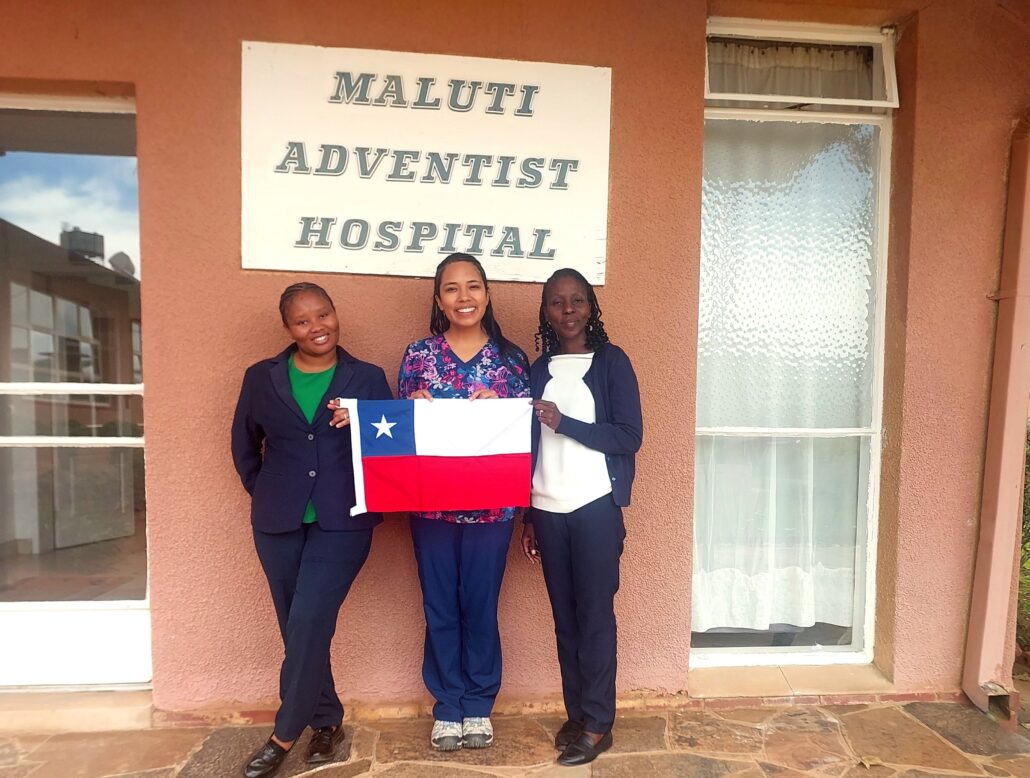
The clinic recently had the privilege of hosting Dr. Ana Belén Cáceres, a lifestyle medical specialist from Chile, who shared her expertise and experience with the Lifestyle Clinic team. Dr. Cáceres studied medicine at an Adventist university in Argentina and later obtained board certification in lifestyle medicine in the United States. She is currently pursuing a master’s degree in clinical nutrition.
Drawing from her work in Chile, Dr. Cáceres described her role in an outpatient lifestyle medicine clinic where patients’ assessments are structured around the six “vital signs” of lifestyle medicine: nutrition, physical activity, sleep, stress management, social connection, and avoidance of harmful substances. She emphasised that a substantial proportion of chronic diseases are closely linked to unhealthy habits, and a central component of her practice involves helping patients understand the root causes of their conditions, which is essential for sustainable health improvements.
“It can be difficult for people to change their habits, but with the help of God, it is possible,” she said.
In addition to her clinical practice, Dr. Cáceres volunteers at a lifestyle centre where patients participate in a ten-day residential programme focused on lifestyle medicine, natural remedies, spiritual growth and health education. Throughout the programme, participants are closely monitored for improvements in blood pressure, blood sugar, body weight, and overall well-being. She reported that many patients experience significant health improvements at the end of the programme, including weight loss, improved blood sugar control, and better mental health.
“Many patients arrive feeling isolated, hopeless, and without purpose. Through the love, care, education, and support they receive, many leave feeling mentally and physically better,” she explained.
During her visit to Maluti Adventist Hospital, Dr. Cáceres conducted educational sessions on disease prevention, hydrotherapy, mental health, spirituality, and holistic patient care. She emphasised the urgent need to prioritize prevention and healthy lifestyle choices in addressing the growing burden of chronic disease.
“If one aspect of health is affected, physical, mental, or spiritual, overall health is also affected,” she said.